Chestnut Tree Design Review
First Impressions of Chestnut Tree Design
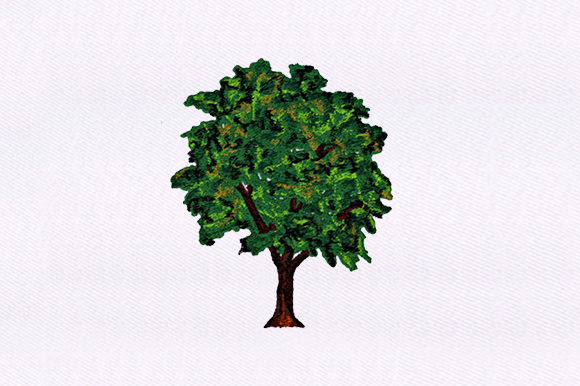
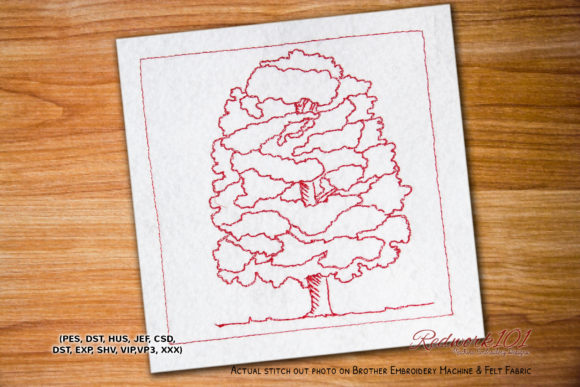
The Chestnut Tree Design immediately evokes a sense of warmth and natural beauty. Its layout is balanced, with a central tree that feels both grounded and elegant. The design’s theme fits perfectly within the Forest category, offering a subtle yet meaningful touch for any embroidery project. The level of detail suggests it could work well as an applique design or with a combination of satin stitch and fill stitch techniques.
The visual personality of the design is calm and inviting, making it ideal for items like tote bags, sweatshirts, or baby clothes. It doesn’t feel overly complex, which is a plus for those looking for a clean, versatile machine embroidery design.
Real-Life Use Cases for Chestnut Tree Design
Imagine preparing a custom embroidered tote bag for a client who wants something nature-inspired but not too bold. The Chestnut Tree Design would fit beautifully here. It’s large enough to be noticeable but not so overwhelming that it dominates the fabric. When stitched onto a cotton canvas tote, it adds a personal touch without being too busy.
For a small shop product, such as a holiday gift or a personalized pillow cover, this design could be a standout piece. It works well on light-colored fabrics, where the details are most visible. However, if you're planning to use it on dark fabric, you’ll want to ensure the thread colors contrast well to maintain clarity.
This design also has potential in baby items. A chestnut tree on a onesie or a blanket could become a cherished keepsake. Its simplicity makes it suitable for children’s clothing, where intricate details might not be necessary.
Where to Be Cautious with Chestnut Tree Design
While the Chestnut Tree Design is generally versatile, there are some situations where it may not perform as well. For instance, if you're working with small hoop sizes, the design might be too large to fit comfortably. This can lead to stitching issues or require multiple hooping steps, which can be time-consuming.
Textured fabrics or thin, stretchy materials might cause the stitches to pucker or distort. In such cases, using the right stabilizer is crucial. Similarly, if you're planning to embroider on curved surfaces like caps or hats, the design may need slight adjustments to fit the shape properly.
Small details, such as the edges of the tree or any tiny lettering, should be inspected closely. If the design includes elements that are too fine, they might not hold up well during washing or frequent use. Always test the design on scrap fabric before committing to a finished product.
Impact on Visual Appeal and Customer Perception
The Chestnut Tree Design enhances the visual appeal of any item it's applied to. Its natural aesthetic makes it highly recognizable and suitable for handmade products that aim to evoke a sense of authenticity. When used on custom apparel or boutique merchandise, it adds value by offering a unique, artistic element that customers appreciate.
From a customer perspective, this design can build trust in your brand. It signals that you offer quality, thoughtful designs that are both beautiful and functional. Whether you're an Etsy seller or a craft business owner, the ability to provide visually appealing, well-crafted items is key to success.
As a designer, knowing how a design will look after stitching is essential. The Chestnut Tree Design seems to translate well into real-life projects, maintaining its integrity across different fabrics and applications. This reliability makes it a strong choice for both personal and commercial use.
Practical Designer Notes for Using Chestnut Tree Design
Before using the Chestnut Tree Design, always test it on scrap fabric. This helps you understand how the stitches will lay and whether the design needs any modifications. Check the thread color contrast, especially if you plan to use it on dark backgrounds. Some designs may require a lighter thread to stand out clearly.
Review the stitch density to ensure it’s appropriate for your project. If the design is too dense, it might cause fabric puckering or affect the softness of the material. Confirm the correct hoop size for your embroidery machine to avoid unnecessary complications during the stitching process.
Inspect small details carefully. If the design includes elements like leaves or branches, make sure they’re sharp and well-defined. Test the design in black and white mockups to see how it looks without color. This can help you decide on the best thread colors for your specific project.
Ensure the design works for both personal and commercial projects. If you're selling finished items or digital products, confirm the licensing terms to avoid any legal issues. Also, check whether the design is compatible with your embroidery machine and software.
Final Thoughts on Chestnut Tree Design
The Chestnut Tree Design is a solid choice for a variety of embroidery projects. Its natural theme and clean layout make it adaptable to many uses, from custom apparel to personalized gifts. With proper preparation and testing, it can enhance the quality and appeal of your handmade products.
Whether you're an experienced designer or just starting out, this design offers practical value and creative potential. By considering factors like fabric type, hoop size, and thread color, you can ensure that the final product meets your expectations and those of your customers.