Hungry Puma Cat
The First Impression of Hungry Puma Cat
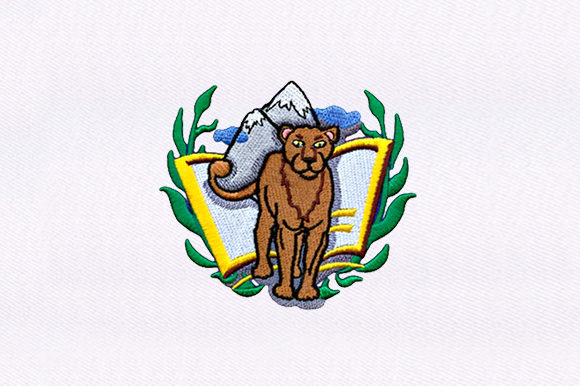
The Hungry Puma Cat design immediately catches the eye with its playful and slightly mischievous vibe. It’s not overly cute or soft, but rather bold and fun—perfect for a craft fair booth where visual impact matters. The design feels modern and slightly whimsical, making it ideal for handmade products that stand out among more traditional patterns.
As a machine embroidery design, Hungry Puma Cat has a clear focal point that works well as a large centerpiece or a smaller accent. Its style is versatile enough to fit into both rustic and contemporary settings, depending on the fabric and color choices.
Where Hungry Puma Cat Shines in Craft Fair Products
At a craft fair, Hungry Puma Cat would make a strong statement on tote bags, aprons, and tea towels. These are high-traffic items that customers often pick up and examine closely. The design’s bold lines and distinct features ensure it stands out even from a distance.
Embroidered patches are another excellent application. The puma’s face is detailed enough to be recognizable without being too intricate. This makes it a great choice for small shop products that need to be both visually appealing and easy to produce in bulk.
For handmade product displays, the Hungry Puma Cat design adds a unique touch to pillow covers, market bags, and fabric pouches. It can also be used as a printable mockup to showcase how the design looks on different items before production.
How Hungry Puma Cat Performs on Different Embroidery Projects
On tote bag design, Hungry Puma Cat works well as a central motif. The design’s scale allows it to be adjusted for different sizes, and its simplicity ensures it remains legible even when stitched on thicker fabrics like canvas or denim.
For apron embroidery, the design needs careful placement. A centered puma on the front panel can be striking, but it may require a larger hoop size to accommodate the full image. Testing on scrap fabric is essential to ensure the stitch density doesn’t cause puckering or distortion.
Tea towel embroidery is a challenge due to the texture of the fabric. If the design has dense areas, it may not show up as clearly as on smoother materials. However, with the right thread colors and stabilizer, Hungry Puma Cat can still be a standout piece.
Practical Selling and Production Considerations
One of the biggest selling points of Hungry Puma Cat is its clarity at a glance. Customers don’t need to look closely to understand what they’re seeing, which is crucial for a busy craft fair booth. This design is also repeatable for batch production, making it a good choice for small shop product lines.
When it comes to commercial embroidery, the design’s file formats (including 10O, ART, CND, DSB, DST, DSZ, EXP, HUS, JEF, PCS, PEC, PES, TAP, VIP, VP3, XXX) offer flexibility across different machines. However, it’s important to confirm the exact stitch count and hoop size before starting production.
Photographing Hungry Puma Cat for online listings is straightforward. The design’s contrast and detail make it easy to capture in high-quality images, which is essential for Etsy seller success. A well-lit photo showing the design on a relevant product will attract more attention than a generic close-up.
Careful-Use Notes for Embroidery Designers
While Hungry Puma Cat is generally easy to work with, there are a few considerations. Dense stitch areas may require extra stabilizer, especially on lightweight or stretchy fabrics. Tiny details could be lost if the design is scaled down too much, so it’s best to test at different sizes before finalizing.
Small lettering, if present, should be checked for legibility. On curved surfaces like caps, the design may need slight adjustments to maintain its shape. Dark fabrics might require a contrasting thread color to ensure the puma stands out clearly.
How Hungry Puma Cat Enhances Visual Appeal and Sales
Hungry Puma Cat adds visual interest to any product it’s applied to. Its unique style helps differentiate handmade items from mass-produced alternatives, giving your booth a more authentic feel. Customers are drawn to designs that tell a story or evoke emotion, and this one does just that.
As a handmade product, Hungry Puma Cat reinforces the value of your work. It shows that you’ve chosen quality design assets and put thought into every item. This can lead to higher customer engagement and repeat purchases.
For brand consistency, using Hungry Puma Cat across multiple products creates a cohesive look. Whether it’s on a tote bag, an apron, or a patch, the design maintains its identity, helping to build recognition and trust with your audience.
Embroidery Designer Tips for Using Hungry Puma Cat
Before committing to a large batch, always test the machine embroidery design on scrap fabric. Check the thread colors against the fabric to ensure the design pops. Review the spacing between elements to avoid overcrowding, and confirm the hoop size needed for your embroidery machine.
Inspect the stitch density to make sure it’s appropriate for the fabric type. For thick or textured materials, a heavier stabilizer may be necessary. Create at least one real mockup to see how the design looks in person before listing it online.
Compare fabric colors to ensure the design is visible and appealing. Finally, confirm the commercial licensing terms for Hungry Puma Cat before selling finished products. This ensures you’re compliant and avoids any legal issues down the line.
Final Thoughts on Hungry Puma Cat
Hungry Puma Cat is a versatile and eye-catching machine embroidery design that has real potential in a craft fair setting. Its bold, playful style makes it suitable for a wide range of products, from tote bags to embroidered patches. With proper testing and consideration, it can become a top-selling item in your booth.
As a professional embroidery designer, I recommend this design for its balance of creativity and practicality. It’s a great addition to any digital embroidery file collection and offers a strong return on investment for small shop product creators.