Indian Elephant Embroidery Review
First Impressions of the Indian Elephant Design
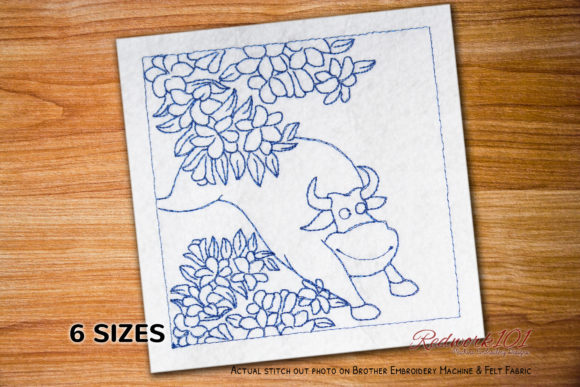
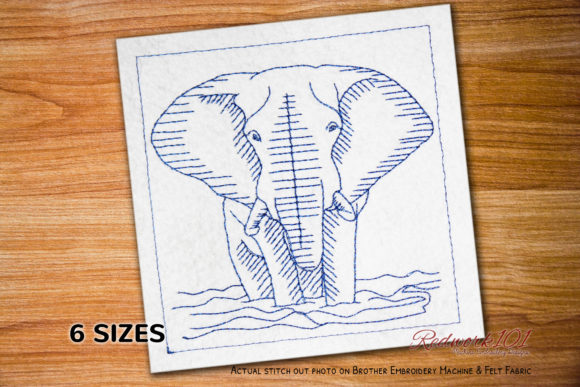
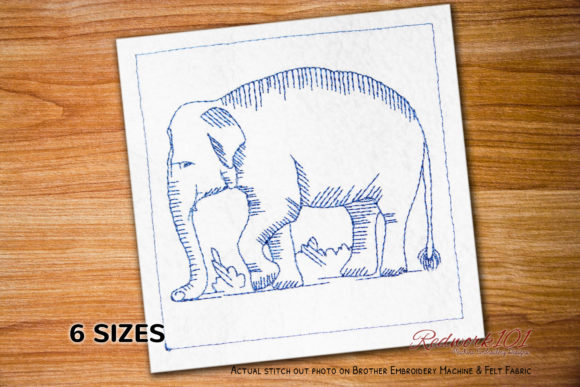
The Indian Elephant embroidery design immediately captures attention with its realistic line work and natural composition. The image of an elephant walking in the wild feels alive, with careful detailing that brings the subject to life. As an embroidery designer, I appreciate the balance between simplicity and realism—this is not a heavily filled or complex design, but it has enough character to stand out on any project.
This machine embroidery design is ideal for those who want to add a touch of nature to their handmade products. Its clean lines and subtle texture make it versatile across different fabric types and project sizes. Whether you're creating custom apparel or personalized gifts, the Indian Elephant design offers a unique visual appeal that can elevate your work.
Stitching Personality and Visual Mood
The stitching personality of the Indian Elephant design leans toward a soft, artistic approach. It uses running stitch and satin stitch elements to create the outline and texture of the elephant, giving it a handcrafted feel. This makes it perfect for projects where a more delicate, artistic touch is desired rather than a bold, graphic look.
The visual mood of the design is calm and natural, making it suitable for items like baby blankets, nursery decor, and seasonal gifts. It doesn’t scream for attention, but it commands respect through its detail and authenticity. For a small business owner or Etsy seller, this design could be a strong asset in a collection focused on nature-inspired themes.
Real-World Embroidery Performance
When considering real-world embroidery performance, the Indian Elephant design shows promise. Its stitch density is moderate, which means it won’t overwhelm most fabrics, but it still provides enough detail to make the finished product visually engaging. This makes it suitable for a variety of embroidery projects, from tote bags to sweatshirts and even embroidered patches.
One thing to note is that the design includes some intricate details that may require careful attention when stitching. If you're working on a small hoop size, you might need to break the design into sections to ensure accuracy. For commercial embroidery projects, this could mean additional time and planning, but the final result is worth the effort.
The design also works well on textured and stretchy fabrics, as long as the proper stabilizer is used. I recommend testing it on scrap fabric first to see how it behaves on your chosen material. This will help avoid issues like puckering or distortion, especially on items that will be washed frequently, such as kitchen towels or aprons.
Practical Use in Handmade and Commercial Projects
The Indian Elephant design is highly adaptable. It fits naturally into a wide range of projects, including tote bag designs, sweatshirt embroidery, and custom apparel. Its size and shape make it ideal for caps, patches, and pillow covers, where a clean, detailed image is needed without overwhelming the surface.
For small business owners and crafters, this design can be a valuable addition to your inventory. It’s great for creating personalized gifts, such as baby blankets or embroidered towels, that carry both aesthetic and sentimental value. When paired with the right thread colors, it can become a standout feature in your handmade shop or Etsy listings.
It's also useful for printable mockups and design assets. Whether you're preparing marketing materials or showcasing your work online, the Indian Elephant design adds a professional touch that can enhance your brand consistency and customer engagement.
Considerations for Different Fabric Types
When working with dark fabrics, the contrast between the design and the background becomes more important. The Indian Elephant design uses a light-colored thread, so it may not show up as clearly on darker materials. You may need to adjust your thread color or use a contrasting shade to ensure visibility.
On stretchy or lightweight fabrics, the design may require additional stabilization to prevent shifting during stitching. Using a good quality stabilizer will help maintain the integrity of the design, especially for items like t-shirts or baby onesies that are worn and washed regularly.
For curved surfaces like caps, the design may need to be adjusted slightly to fit properly. This is something to consider if you're using it for commercial embroidery or large-scale production. However, with proper planning, the Indian Elephant design can be adapted to a variety of shapes and sizes.
Design Assets and Licensing
Before using the Indian Elephant design for commercial purposes, always check the licensing information on the Creative Fabrica embroidery product page. Make sure you understand the terms of use, especially if you're selling finished items or offering them as digital downloads.
As a designer, I always recommend reviewing the file details, including stitch count and hoop size, to ensure compatibility with your embroidery machine. This helps avoid surprises during the stitching process and ensures that your finished product meets your expectations.
Final Thoughts on the Indian Elephant Design
The Indian Elephant embroidery design is a solid choice for embroidery designers, Etsy sellers, and small business owners looking to add a natural, artistic element to their handmade products. Its realistic line work, moderate stitch density, and versatility make it suitable for a wide range of projects, from simple to complex.
Whether you're creating a custom apparel piece, an embroidered patch, or a seasonal gift, the Indian Elephant design can bring a sense of authenticity and beauty to your work. With proper preparation and attention to detail, it can become a valuable addition to your creative toolkit.