Egyptian Pattern Machine Review
First Impressions of Egyptian Pattern Machine
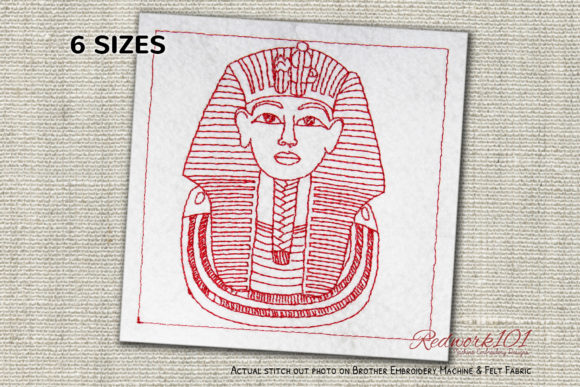
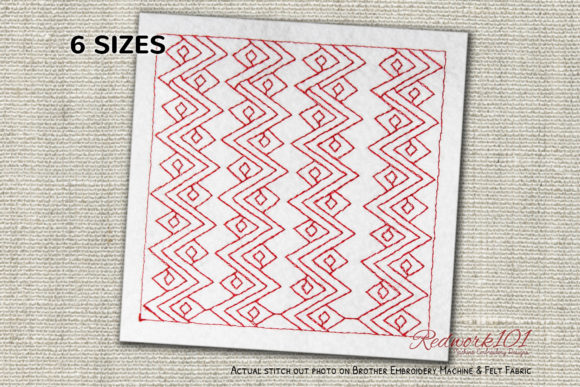
The Egyptian Pattern Machine design immediately evokes a sense of ancient elegance and cultural richness. Its intricate geometric shapes and flowing lines suggest a connection to historical motifs, making it ideal for projects that aim to blend tradition with modern aesthetics. The layout is well-balanced, with enough detail to stand out without overwhelming the fabric it’s stitched onto.
This design feels like it belongs on custom apparel, especially items that require a touch of sophistication. It could work well as an embroidered patch or a focal point on a tote bag, adding visual interest without being too busy. The theme is timeless, which makes it versatile for both personal and commercial use.
Real-Life Embroidery Scenarios
Imagine you’re working on a custom embroidered tote bag for a client who wants something unique but not too flashy. Egyptian Pattern Machine could be the perfect fit. It adds a refined look that stands out in a crowd, making the product more desirable for buyers looking for handmade quality.
For small business owners, this design could be a valuable addition to an Etsy shop or a craft fair booth. It has the potential to attract customers interested in cultural themes, personalized gifts, or boutique merchandise. The design’s complexity also suggests it could be used as a digital product, offering value to other designers or embroiderers looking for high-quality assets.
When used on sweatshirts or t-shirts, the design benefits from proper stabilizer and thread color contrast. On darker fabrics, the details may appear less distinct, so testing on different backgrounds is essential. For baby clothes, the pattern’s symmetry and simplicity make it safe and visually appealing, though careful attention should be paid to stitch density to avoid bulkiness.
Where to Use Carefully
While Egyptian Pattern Machine is visually striking, it may not be the best choice for all embroidery projects. Small hoop sizes can limit how much of the design fits, potentially leading to incomplete or distorted results. On textured or stretchy fabrics, the design might not lay flat, affecting the overall finish.
Thin or dark fabrics can also pose challenges. The design’s intricate details may not show up well on dark backgrounds unless the thread colors are carefully selected. For layered garments or curved surfaces like caps, the design might need adjustments to ensure it stitches smoothly and looks good from all angles.
Projects that require frequent washing should also consider the durability of the design. Dense stitch areas may cause pilling or wear over time, so using the right stabilizer and thread type is crucial. Tiny lettering or detailed corners could become lost in the stitching, so testing on scrap fabric is always a good idea before committing to a final project.
Impact on Visual Appeal and Customer Perception
Egyptian Pattern Machine has the potential to elevate the visual appeal of any finished product. Its clean lines and structured layout contribute to a professional look, which is essential for handmade products and personalized gifts. Customers often associate well-executed embroidery with quality, and this design can help reinforce that perception.
For small shop products or Etsy listings, the design can enhance brand consistency, especially if it aligns with the store’s aesthetic. It also increases the giftability of items, as the cultural and artistic elements make it a thoughtful choice for holidays, weddings, or special occasions.
When used in printable mockups or digital product previews, the design offers a strong visual anchor, helping to showcase the product’s potential. For commercial embroidery projects, its versatility makes it a reliable choice for a wide range of applications, from corporate branding to individualized gifts.
Practical Designer Notes
Before using Egyptian Pattern Machine in your next project, test it on scrap fabric to see how it looks in different conditions. Check the thread color contrast to ensure the design stands out on the intended fabric. Review the stitch density to avoid issues with bulk or distortion, especially on delicate materials.
Confirm the hoop size required for the design to ensure it fits your machine’s capabilities. Inspect small details closely, as they may not translate well on certain fabrics or in specific lighting. Test the design in black and white mockups to assess how it appears without color, which is useful for digital product previews.
Compare the design on light and dark fabric backgrounds to determine the best presentation. Use the proper stabilizer to keep the design from shifting during stitching, and check whether it works for both personal and commercial projects. Always confirm licensing terms before selling finished items or digital products to avoid legal issues.
Final Thoughts on Egyptian Pattern Machine
Egyptian Pattern Machine is a design that offers both beauty and practicality. Its classic style and structured layout make it suitable for a variety of embroidery projects, from custom apparel to small shop merchandise. While it requires careful consideration in certain applications, its overall quality and versatility make it a valuable asset for any designer or embroiderer.
Whether you’re creating personalized gifts, boutique products, or commercial embroidery pieces, this design can add a touch of sophistication and cultural flair. With the right approach and attention to detail, Egyptian Pattern Machine can become a standout element in your creative work.